
1. Prioritize Safety Above All Else
Safety is paramount in civil engineering, and it should always be the top priority in every project. Whether it’s ensuring the structural integrity of a bridge or implementing protocols to protect workers on a construction site, safety measures must be rigorously enforced at every stage of the project. By prioritizing safety, civil engineers not only protect lives but also uphold the integrity of their work and earn the trust of the communities they serve.
2. Embrace Sustainable Design Principles
In an era of increasing environmental awareness, sustainability has become a central consideration in civil engineering. Embracing sustainable design principles, such as minimizing resource consumption, reducing carbon emissions, and promoting renewable energy sources, is essential for creating infrastructure that meets the needs of the present without compromising the ability of future generations to meet their own needs. From green building practices to stormwater management systems, civil engineers have a critical role to play in building a more sustainable future.
3. Leverage Technology and Innovation
Technology is revolutionizing the field of civil engineering, offering new tools and techniques to streamline processes, enhance efficiency, and improve outcomes. From advanced modeling software to drone technology and building information modeling (BIM), civil engineers have access to a wide range of tools that enable them to design, analyze, and manage projects with unprecedented precision and accuracy. By embracing technology and innovation, civil engineers can deliver projects that are not only cost-effective and efficient but also of the highest quality.
4. Collaborate Across Disciplines
Civil engineering projects are complex endeavors that often require collaboration across multiple disciplines, including architecture, urban planning, environmental science, and more. By fostering interdisciplinary collaboration, civil engineers can leverage the expertise of diverse professionals to develop holistic solutions that address the multifaceted challenges of modern infrastructure projects. Collaboration encourages innovation, creativity, and problem-solving, ultimately leading to better outcomes for communities and stakeholders.
5. Engage with Stakeholders
Effective communication and stakeholder engagement are essential components of successful civil engineering projects. Engaging with stakeholders, including government agencies, community groups, and residents, from the early stages of project planning helps to ensure that their needs, concerns, and perspectives are taken into account throughout the process. By fostering open dialogue and transparency, civil engineers can build trust, foster goodwill, and ultimately create infrastructure that serves the needs of all stakeholders.
6. Commit to Lifelong Learning
The field of civil engineering is constantly evolving, with new technologies, methodologies, and best practices emerging on a regular basis. As such, a commitment to lifelong learning is essential for civil engineers to stay abreast of the latest developments and advancements in the field. Whether it’s pursuing continuing education courses, attending conferences, or participating in professional development activities, civil engineers must continually seek to expand their knowledge and skills to remain at the forefront of their profession.
In conclusion, excellence in civil engineering is characterized by a commitment to safety, sustainability, innovation, collaboration, stakeholder engagement, and lifelong learning. By adhering to these best practices, civil engineers can create infrastructure that not only meets the needs of today but also anticipates the challenges of tomorrow, building a brighter future for generations to come.
Share this Post:
Leave a Comment
Relater Posts


In the ever-evolving landscape of construction and engineering, where innovation meets craftsmanship, our company stands at the forefront of transforming visions into tangible reality. With a commitment to excellence and a passion for precision, we pride ourselves on being the architects of dreams, shaping the world one project at a time

In the realm of architecture and construction, the creation of built spaces transcends mere functionality; it's about crafting environments that inspire, uplift, and enrich the lives of those who inhabit them.
In the ever-evolving world of interior design, navigating through the myriad of trends can be overwhelming. From minimalist chic to bold maximalism, the options seem endless. However, amidst the flux of fleeting fads, certain timeless principles endure – elements that transcend passing trends and speak to the essence of good design.
In a world where excess often reigns supreme, the concept of minimalism offers a welcome respite. Small and minimal houses on Paters on Hill embody this ethos, prioritizing quality over quantity and simplicity over extravagance. These homes are thoughtfully designed to maximize space efficiency while minimizing environmental impact, making them both practical and eco-friendly

Crafting High-Quality, Effective, and Inspiring Built Spaces: A Testament to Construction Excellence
In the realm of construction, the creation of built spaces goes beyond merely erecting structures; it involves a profound commitment to quality, functionality, and inspiration. A construction company's legacy isn't merely in the buildings it constructs but in the stories those structures tell, the lives they enhance, and the communities they uplift.

Building your dream home is an exciting and rewarding experience, but it can also be overwhelming and stressful. Fortunately, with the right guidance and expertise, you can make your dream home a reality.
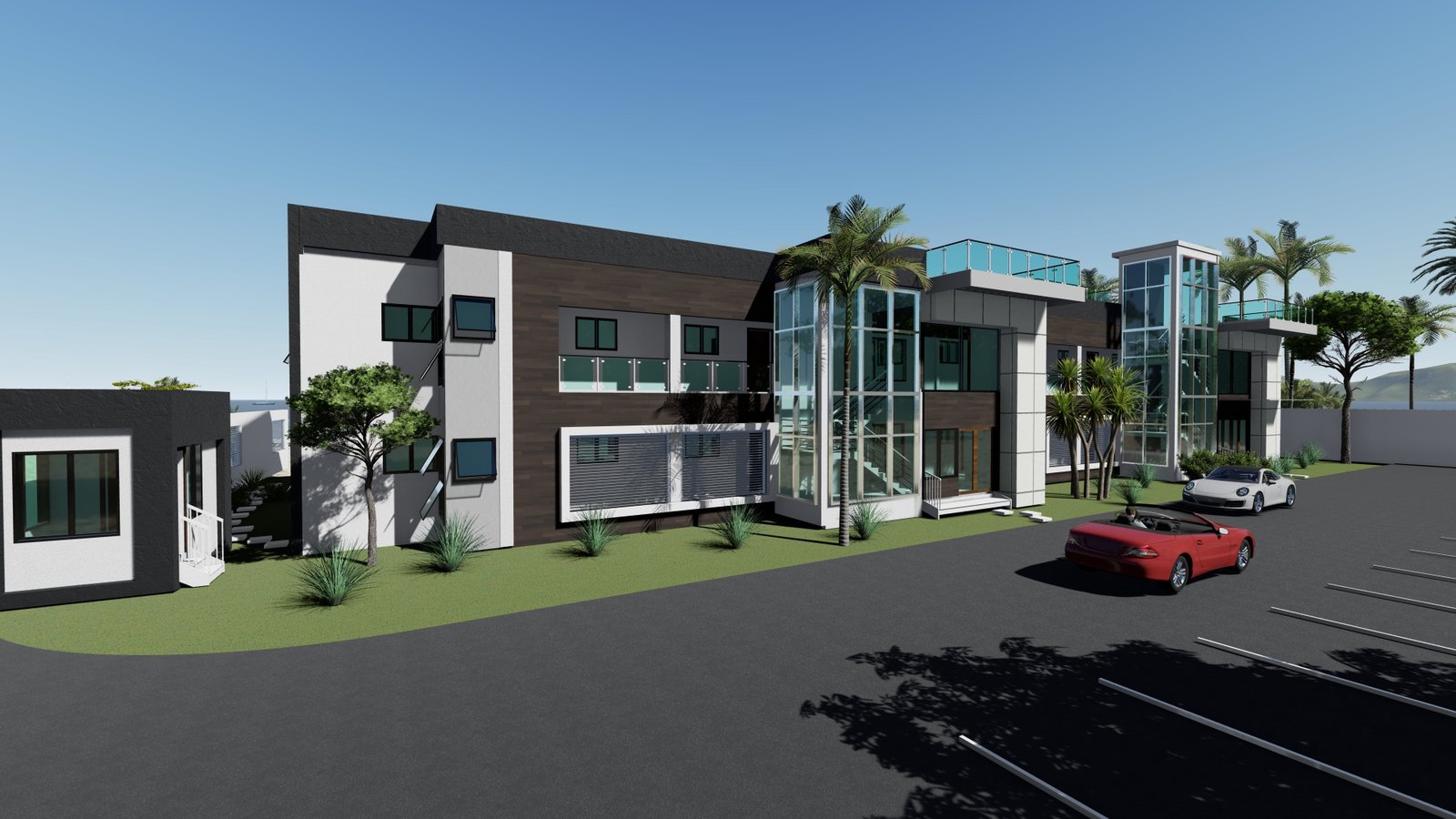
In an interconnected world where boundaries blur and cultures converge, the delivery of architecture, planning, and design takes on a new dimension. Today, the field transcends geographical limitations, and architects and designers are tasked with creating spaces that harmonize with diverse landscapes and cultures.
0 Comments